

Project Location: Mae Hong Son, Thailand
Project Partner: Mae Hong Son Community College
TRTA's Role: Senior Technical Advisor
Project Coverage: 7 CBT Communities
Area of Expertise: Responsible Tourism Assessment, Community-Based Tourism Development & Market Readiness
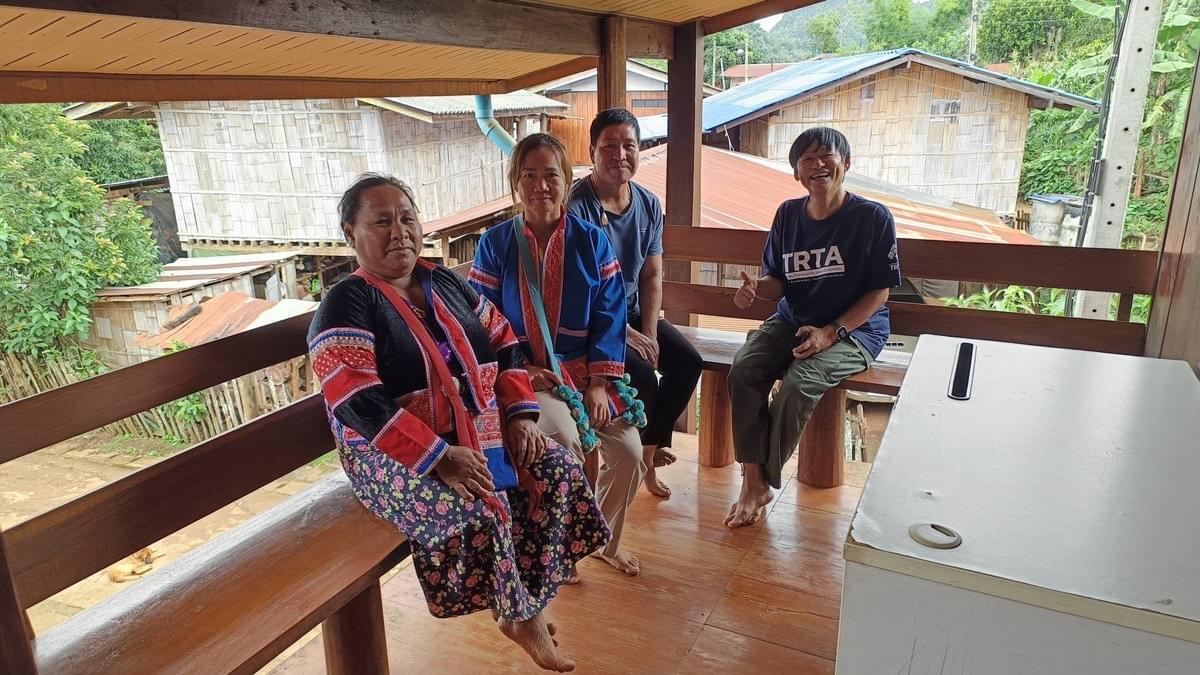
Strengthening Responsible Community-Based Tourism in Mae Hong Son, Thailand
Applying responsible tourism standards to strengthen local communities, preserve cultural heritage, and enhance sustainable tourism market readiness.
The Thai Responsible Tourism Association (TRTA) collaborated with Mae Hong Son Community College and local community-based tourism networks to advance sustainable tourism development in Mae Hong Son Province, Thailand.
Serving as a senior technical advisor, TRTA supported the assessment of seven communities in Pang Mapha District and Huai Pu Ling Sub-district, applying the Responsible Tourism – Community-Based Tourism (RT-CBT) criteria to evaluate tourism management, identify development opportunities, and strengthen readiness for responsible tourism markets.
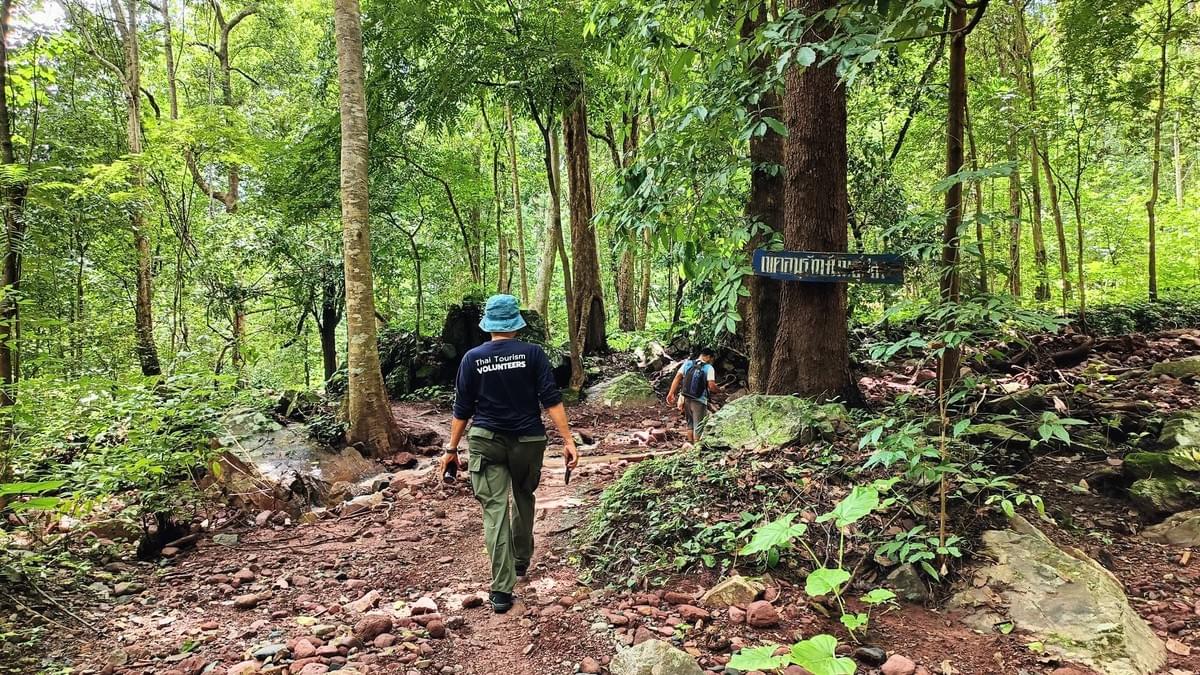
TRTA provided technical expertise in assessing community tourism performance across five key dimensions: community governance, safety and service quality, social responsibility, local economic benefits, and environmental sustainability.
The assessment covered seven communities: Ban Muang Pam, Ban Huai Tong Ko, Ban Huai Hee, Ban Nam Hoo Hai Jai, Ban Pha Mon, Ban Luk Khao Hlam, and Ban Huai Goong.
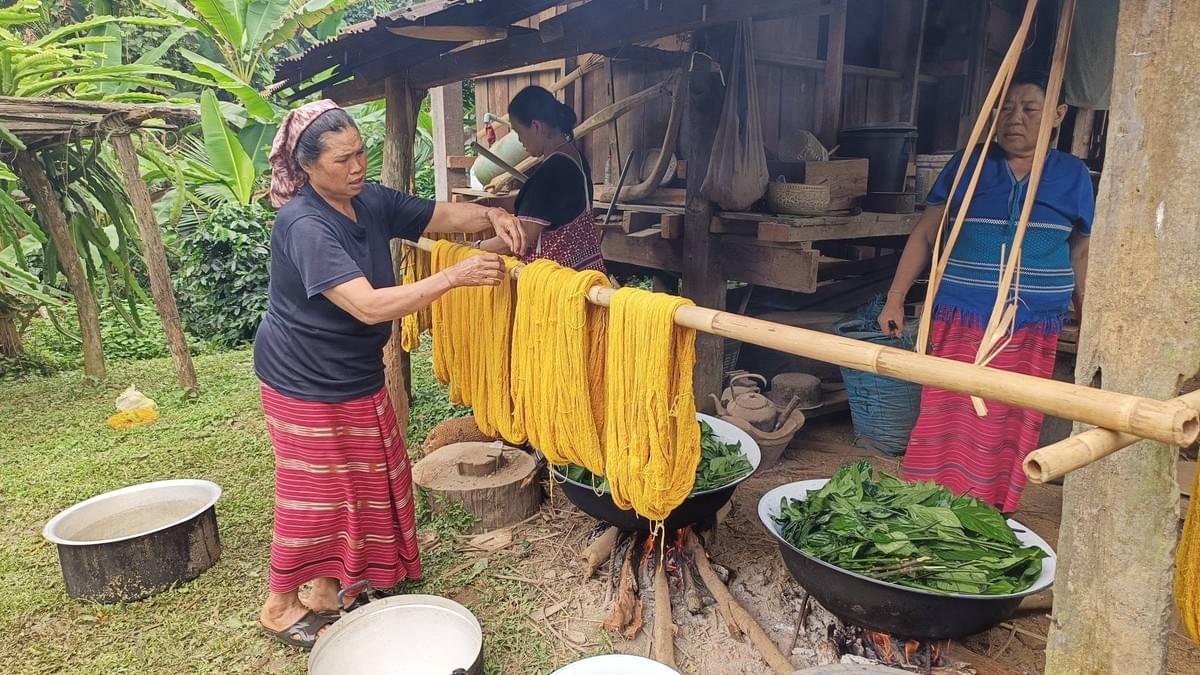
Each community demonstrated distinctive strengths, from indigenous forest management and organic farming to traditional handicrafts, cultural heritage, and nature-based tourism.
Key Findings and Development Opportunities
The assessment highlighted strong community participation and local resource management, particularly in Ban Muang Pam and Ban Huai Tong Ko, where community governance and social responsibility were notable strengths.
In Ban Huai Tong Ko, traditional Pga K'nyau forest management practices demonstrate how indigenous knowledge contributes to environmental conservation. Meanwhile, Ban Luk Khao Hlam illustrates how local food and traditional crafts can create economic opportunities while preserving cultural identity.
TRTA also identified opportunities to improve visitor safety, emergency preparedness, financial transparency, and tourism service management to better align with responsible tourism standards and international market expectations.
Based on these findings, TRTA provided practical recommendations for stronger community governance, risk management, operational procedures, and the development of authentic local experiences that can generate additional income for community members.
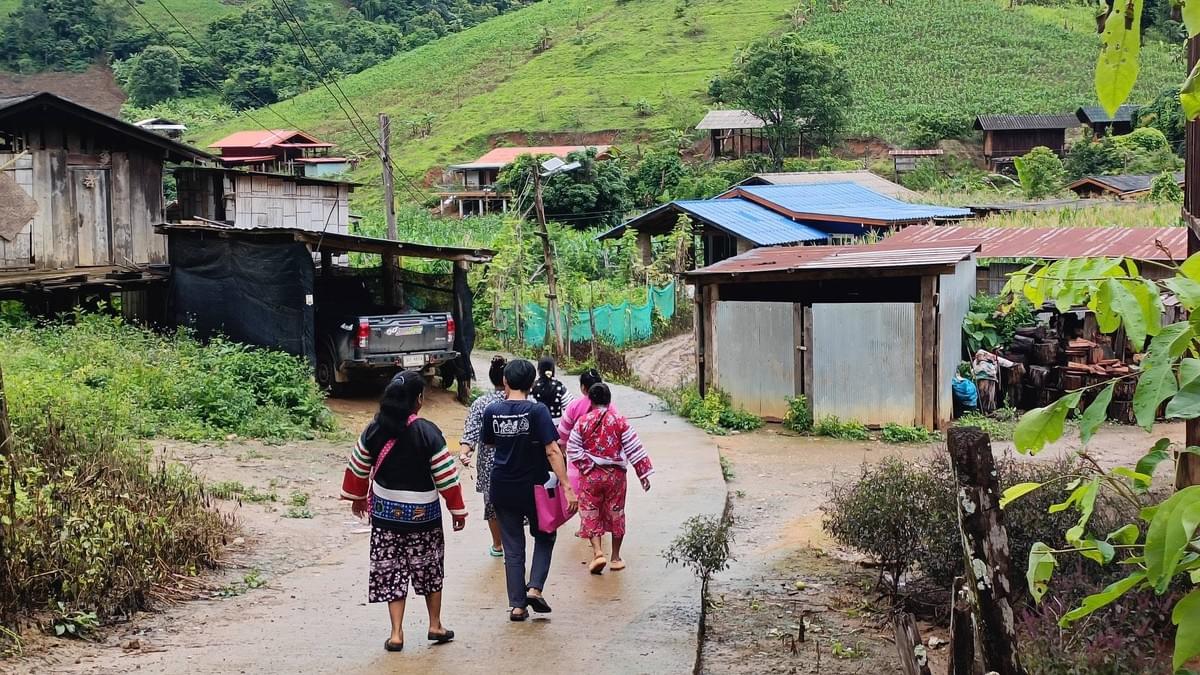
Creating Long-Term Value Through Responsible Tourism
This collaboration demonstrates how responsible tourism assessment can become a practical tool for community empowerment, sustainable destination management, and future market access.
By connecting local knowledge with professional tourism standards, TRTA supports communities in strengthening their capabilities without compromising their cultural identity or natural heritage.
The initiative also highlights the importance of collaboration among educational institutions, local communities, tourism associations, and private sector partners in building a more responsible tourism industry.
Partner with TRTA
TRTA works with government agencies, development organizations, educational institutions, and tourism businesses to advance responsible tourism across Thailand.
Our expertise includes responsible tourism assessments, community capacity building, sustainable destination development, and market linkage support.
Let's work together to turn responsible tourism principles into practical action and lasting benefits for local communities.
